Essential Guide to Sterile Sampling Swabs
Note: This paper is intended as an overview on the topic of sampling swabs and not as an authoritative how-to guide. Consult CDC and other similar sources for specific guidelines. Per CDC guidelines, all testing for SARS-CoV-2 should be conducted in consultation with a healthcare provider.
What Are Sterile Sampling Swabs?
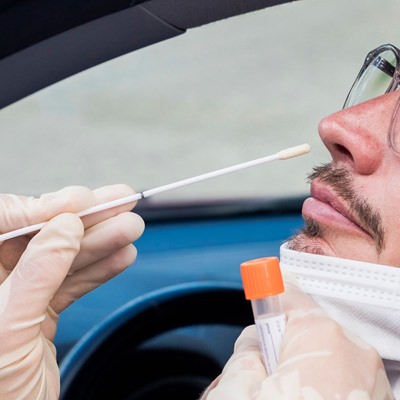
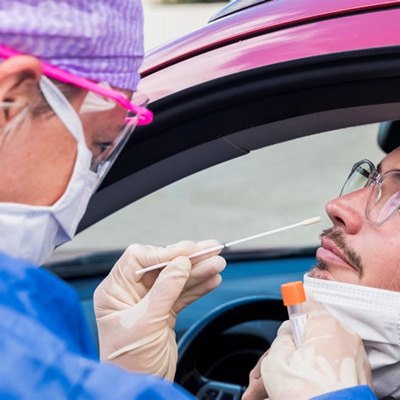
Sterile sampling swabs are used to collect biological specimens (nasal or throat secretions) for diagnostic testing, including COVID-19, flu and similar respiratory conditions. They must follow CDC guidelines, using synthetic materials and sterile handling to ensure accurate results.
The COVID-19 pandemic of 2020, which is caused by the SARS-CoV-2 (commonly known as the novel coronavirus), has caused a huge spike in demand for sampling swabs. While there have been swab shortages to fill the urgent need of COVID-19 testing, care still needs to be taken to qualify and source the best swab for the type of sampling that is required.
Chemtronics offers a line of Coventry™ Sterile Sampling Swabs that are FDA approved and manufactured and sterilized to the highest standard.
The following is a guide that provides an overview of sampling used for COVID-19, flu and other similar testing. For more information, see the CDC guidelines here.
Overview of Sampling Methods
When performing initial diagnostic testing for SARS-CoV-2, the CDC recommends sampling from the upper respiratory system with one of the following methods:
- Nasopharyngeal Sampling
- Oropharyngeal Sampling
- Nasal Mid-Turbinate Sampling
- Anterior Nares Sampling
Nasopharyngeal Sampling
Definition:
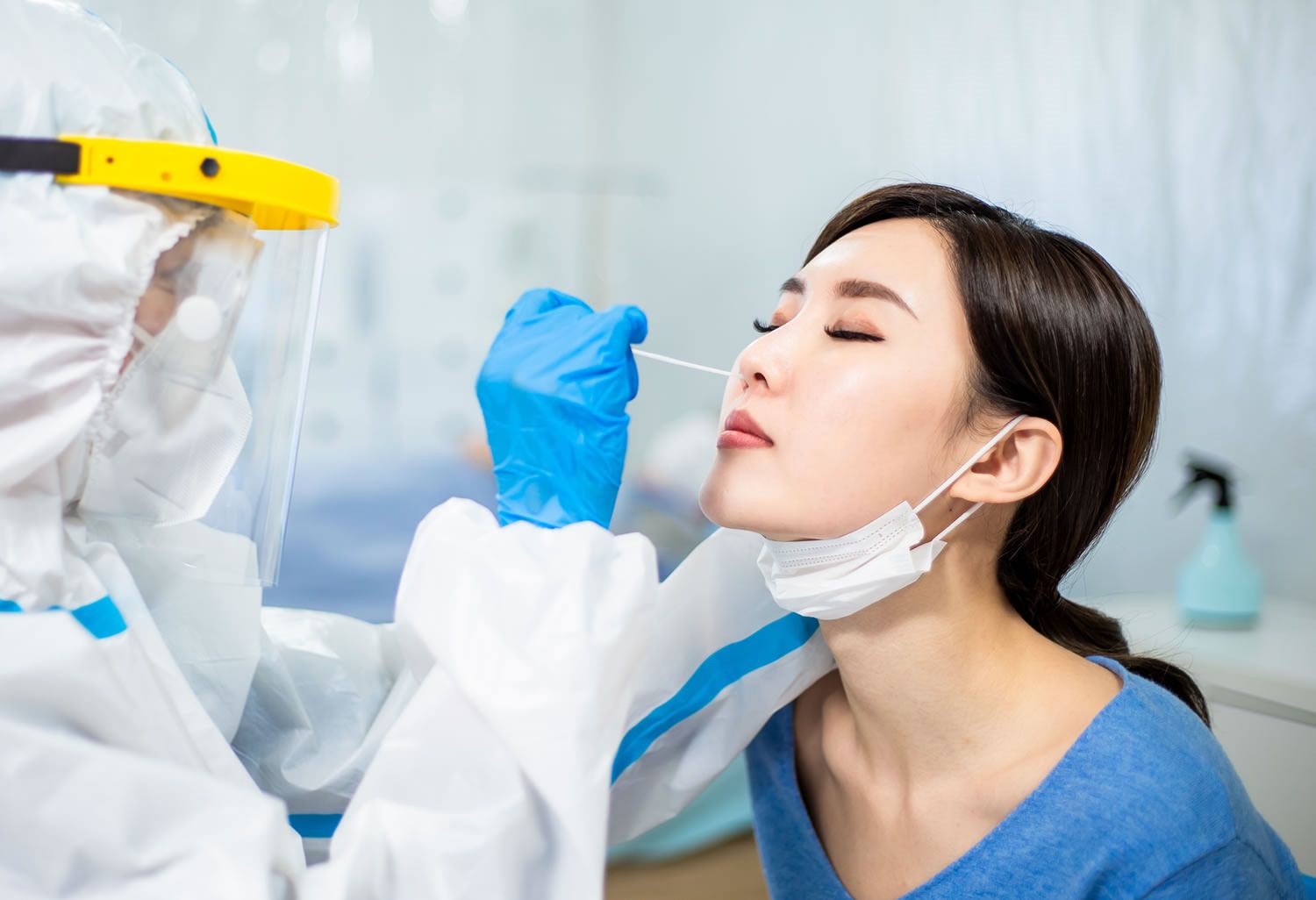
Nasopharyngeal sampling collects a nasal secretion sample from the back of the nose and throat.
CDC Recommendation:
- Synthetic swab
- Flexible wire or plastic shaft
Recommended Product:
Chemtronics® Coventry™ Sterile Flocked Swab (part #66000ST, see Fig 1)
Key features:
- Engineered for biological fluid collection, elution, and analysis
- Flocked nylon fibers for greater surface area and improved sample collection
- Enhanced absorption of secretions with potential for improved comfort
- Nylon microfiber head with polystyrene (or ABS) handle
- High surface area for rapid capillary absorption
- Brush-like fibers for collection from irregular surfaces
- Linear, open structure for efficient absorption and thorough specimen release

Fig 1 – Coventry 66000ST Sterile Flocked Swab
Nasopharyngeal sampling procedure:
(per CDC guidelines)
- Tilt the head back at a 70 degree angle
- Insert the swab through the nostril, and keep it parallel to the palate, not upwards (Fig 2).
- Make sure you stop when you feel resistance or the distance from the ear to the nostril is the same, which indicates the swab head is in contact with the nasopharynx.
- Gently roll the swab handle in your fingertips, which rotates the swab head.
- For several seconds, keep the swab in place to absorb the maximum amount of nasal secretions.
- Remove the swab from the nose slowly and carefully while rolling it in your fingertips. (see fig 3)
- Insert the swab head into a sterile transport media tube, snap off the swab handle at the break-point, seal the cap, and label the sample (Fig 4).
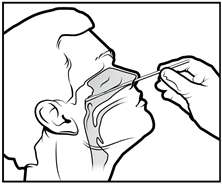
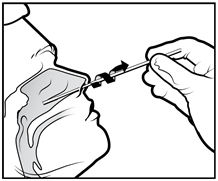
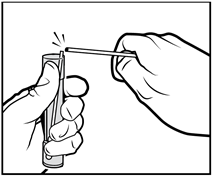
Fig 2, 3, 4
Oropharyngeal Sampling
Definition:
Oropharyngeal sampling collects a secretion sample from the back of the throat.
CDC Recommendation:
- Synthetic swab
- Flexible shaft
Recommended Product:
Chemtronics® Coventry™ Sterile Foam Swab (part #86120ST, see Fig 5)
Key features:
- Engineered to efficiently collect biological fluids for elution and analysis
- Polyurethane foam head with polystyrene (or ABS) handle
- 100-ppi reticulated foam for maximum absorption
- Open-cell structure facilitates rapid absorption
- Designed for thorough specimen release into analyzing solutions

Fig 5 – Coventry 86120ST Sterile Foam Swab
Oropharyngeal sampling procedure:
(per CDC guidelines)
- Tilt the head back at a 70 degree angle.
- Open mouth and create an open pathway by depressing the tongue.
- Carefully insert the swab head into the posterior pharynx and tonsillar areas (Fig 6).
- Rub the swab head over tonsillar pillars and posterior oropharynx, while avoiding contact with the tongue, gums, and teeth.
- Insert the swab head into a sterile transport media tube, snap off the swab handle at the break-point, seal with the cap, and label the sample (Fig 4).
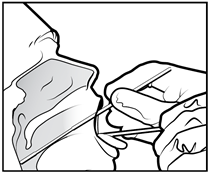
Fig 6
Nasal Mid-Turbinate Sampling
Definition:
Nasal mid-turbinate sampling collects a nasal secretion sample from inside the nose.
CDC Recommendation:
- Flocked, tapered swab
- Flexible shaft
Recommended Product:
Chemtronics offers the Coventry™ Sterile Flocked Swab (part #66010ST, see Fig 7)
Key features:
- Engineered for biological fluid collection, elution, and analysis
- Flocked nylon fibers for increased surface area and improved sample collection
- Designed to absorb nasal secretions efficiently
- Nylon microfiber head with polystyrene (or ABS) handle
- High surface area for rapid capillary absorption
- Brush-like fibers for collection from irregular surfaces
- Linear, open structure for efficient absorption and thorough specimen release

Fig 7 – Coventry 66010ST Sterile Flocked Swab
Nasal mid-turbinate sampling procedure:
(per CDC guidelines)
- Tilt the head back at a 70 degree angle.
- While rotating the swab by rolling the handle in the fingertips, gently insert the swab less than one inch (about 2 cm) into the nostril. Stop when you feel resistance at turbinates (see fig 8).
- Then rotate the swab several times against nasal wall (Fig 8).
- Repeat the process in the other nostril with the same swab.
- Insert the swab head into a sterile transport media tube, snap off the swab handle at the break-point, seal with the cap, and label the sample (Fig 4)
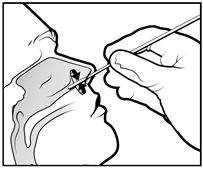
Fig 8
Anterior Nares Sampling
Definition:
Anterior nares sampling collects a nasal secretion sample from just inside the nose.
CDC Recommendation:
- Flocked swab
- Flexible shaft
Recommended Product:
Chemtronics® Coventry™ Sterile Flocked Swab (part #66010ST, see Fig 9)
Key features:
- Engineered for biological fluid collection, elution, and analysis
- Flocked nylon fibers for greater surface area and improved collection of nasal secretions
- Designed for efficient absorption and elution of biological samples
- Nylon microfiber head with polystyrene (or ABS) handle
- High surface area for rapid capillary absorption of fluid specimens
- Brush-like fibers for effective collection from irregular surfaces
- Linear, open structure for rapid absorption and thorough specimen release

Fig 9 – Coventry 66010ST Sterile Flocked Swab
Anterior nares sampling procedure:
(per CDC guidelines)
- Tilt the head back at a 70 degree angle.
- Insert the swab at least ½” (1 cm) inside the nostril (Fig 10) and firmly sample the sides of the nasal interior by rotating the swab.
- Leave in place 10 to 15 seconds.
- Repeat the process in the other nostril with the same swab.
- Insert the swab head into a sterile transport media tube, snap off the swab handle at the break-point, seal with the cap, and label the sample (Fig 4)
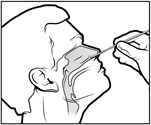
Fig 10
Types of Sampling Swabs
For the various testing methods detailed above, the CDC guidelines state:
- Swab heads should be made of synthetic materials
- Flocked surfaces are recommended for most sampling methods (except oropharyngeal)
- Handles should be synthetic or metal
- Avoid calcium alginate or wooden shafts, as they may inactivate viruses and reduce accuracy
Coventry Sterile Sampling Swabs are available and meet CDC guidelines.
Foam
The head material of Coventry 86120ST Sterile Foam Swab is polyurethane foam with a polystyrene (or ABS) handle. The 100-ppi reticulated foam structure provides maximum absorption.
absorption. The foam cell structure is open, which facilitates rapid absorption and thorough release of specimens into analyzing solutions (Fig 11).
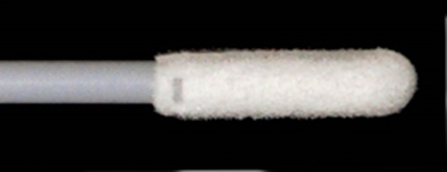
Fig 11 – Detail of foam swab head
Flocked
Chemtronics® offers the Coventry™ 66010ST and 86120ST Sterile Flocked Swabs for efficient biological fluid collection, elution, and analysis. Flocked nylon fibers provide greater surface area to collect and absorb secretions and may be more comfortable than many alternatives.
The Coventry 66010ST Sterile Flocked Swab features a nylon microfiber head with a polystyrene (or ABS) handle, designed for rapid capillary absorption and effective sample collection from irregular surfaces. Its linear, open structure supports efficient absorption and thorough release of specimens into analyzing solutions.
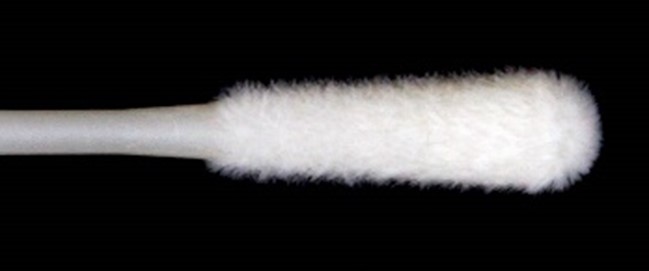
Fig 12 – Detail of flocked swab head
Handles
Coventry Sterile Sampling Swabs feature polystyrene (or ABS) handles that meet CDC guidelines. Handles are scored for easy breaking for insertion into the transport vial.
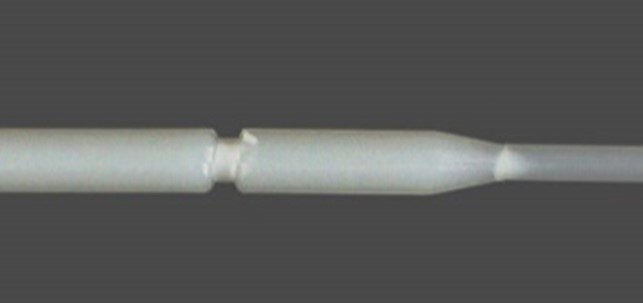
Fig 13 – Detail of scored swab handle
Common Sterilization Methods
Coventry Sterile Sampling Swabs are sterilized using ethylene oxide (EtO), which ensures the swabs are free from human DNA, enzymes that degrade DNA and RNA, and polymerase chain reaction (PCR) inhibitors.
The following are the three most common methods of swab sterilization:
| Method | Temperature Range | Process |
|---|---|---|
| Ethylene oxide (EtO or EO) | 99–145°F (37–63°C); final step: 122–140°F (50–60°C) | Utilizes medium temperatures to create a chemical reaction of proteins and DNA within bacteria or viruses; final step uses heated air circulation to remove EO gas from products and packaging |
| Autoclaves | 250–270°F (121–132°C) | Uses steam and pressure to increase temperature to kill bacteria and viruses |
| Gamma irradiation | N/A | Uses a radioactive material that emits high energy gamma rays, which break down the DNA within bacteria or viruses |
Handling Procedures
Coventry Sampling Swabs are individually packaged and lot-coded for quality control traceability. The back of each package contains brief instructions (Fig 14).
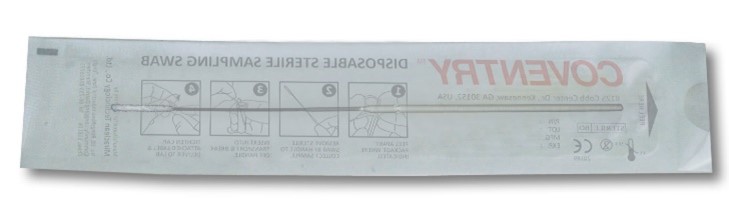
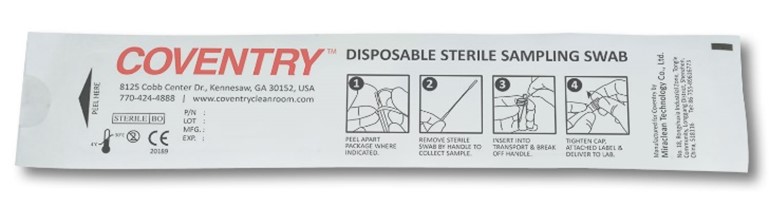
Fig 14 – Coventry Sterile Sampling Swab packaging
To avoid contamination, follow these handling guidelines:
- Peel apart the handle-side of the package.
- Grip the swab only by the handle above the scored break-point
- After sampling, insert the swab into the transport medium and break the handle at the breakpoint
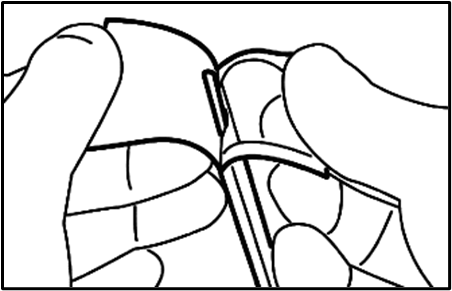
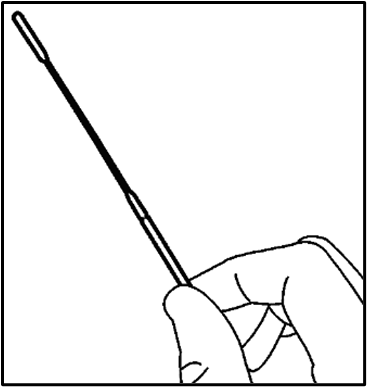
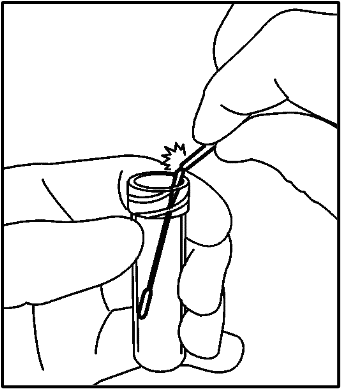
Fig 15, 16, 17
Chemtronics offers a line of Coventry™ Sterile Sampling Swabs that are FDA approved and manufactured and sterilized to high standards for use in COVID-19, flu and other diagnostic testing.
For more information, go to www.coventrycleanroom.com or fill out our contact form.
Frequently Asked Questions (FAQs)
Q: What is a sterile sampling swab used for?
A: Sterile sampling swabs are used to collect biological samples from the nose or throat for diagnostic testing, including COVID-19 and flu.
Q: What type of swab does the CDC recommend?
A: The CDC recommends synthetic swabs (such as flocked or foam) with plastic or metal shafts.
Q: What is the difference between flocked and foam swabs?
A: Flocked swabs provide higher surface area and better release, while foam swabs offer high absorption with an open-cell structure.
Q: Why should wooden or calcium alginate swabs be avoided?
A: These materials may inactivate viruses or interfere with testing accuracy.
Q: How are sterile swabs handled to avoid contamination?
A: Only touch the handle above the breakpoint, avoid the tip, and place the swab into sterile transport media immediately after sampling.
Ask A Technical Question
Stay up-to-date on Chemtronics news, products, videos & more.
Related Products